Call Us Contact Us

News

Getting Heavy Equipment Ready for Winter

October 21, 2019
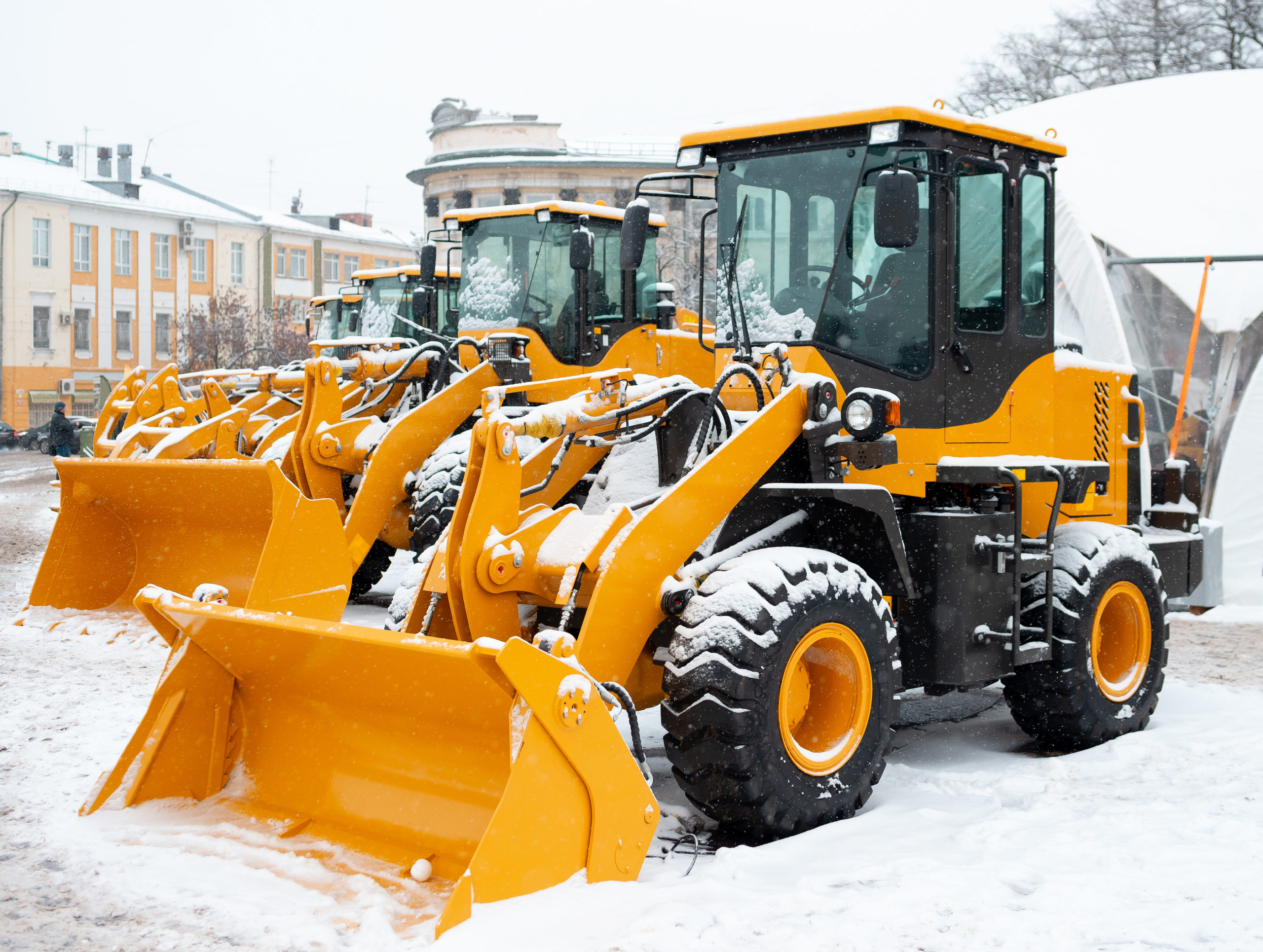
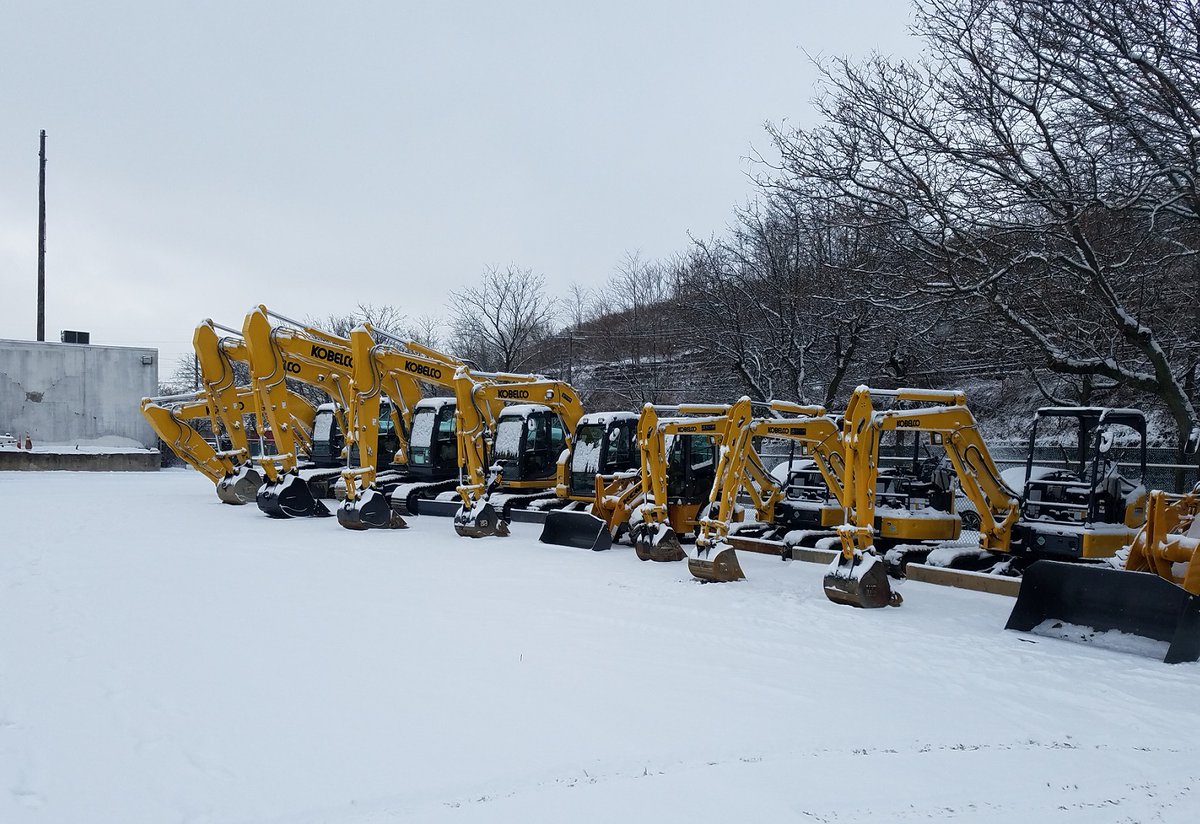
If you rent or own heavy machinery, then you need to face the reality that winter is heading this way fast and you need to prepare. What happens to machines as temperatures drop? What preventative steps should you be taking before running machines in the winter or storing them until spring? To keep machines running well throughout the colder months, follow the advice of Company Wrench. Many machine parts can be affected by cold weather. The cold will drain the energy from machine batteries. It can also interfere with the fuel system. If water is present in the fuel system, it can turn to ice and create low fuel pressure. For the general construction, demolition, and scrap industries which operate year-round, this can pose problems. If you do use heavy machinery in the winter, to keep it up and running in peak condition you should: Treat the fuel during extremely cold conditions to avoid fuel gelling,Drain the fuel/water separator daily,And fill the fuel tank after the shift to prevent moisture from entering the fuel tank. Other industries, such as agricultural businesses and farms, slow down in the winter and need to store their heavy machinery. There is some simple maintenance you will need to perform before storage time to ensure your machines are ready for spring thaw. To prepare your machine for spring, you should: Treat the fuel system and keep the fuel tank full,Disconnect the batteries to remove any unneeded draw from the machine’s onboard controllers or GSP devices,Apply grease to any exposed cylinder rods to prevent rust,Drain any water or sediment from the bottom of your fuel tank,And power wash the machine. During storage, you should exercise the machine at least once a month to work out any air that could have entered the hydraulic system. This will also charge the batteries. If you want help prepping your machine for winter usage or winter storage, call Company Wrench. Company Wrench runs a fleet of fully stocked service trucks to help prepare for cold weather operations or storage. Our Service Department can also help if your machines suddenly break down this winter. Call us today! Read More

Kobelco – Highlights & New Machines

July 3, 2019
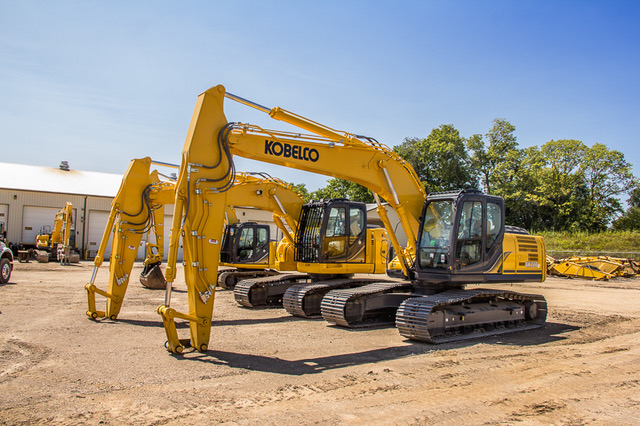
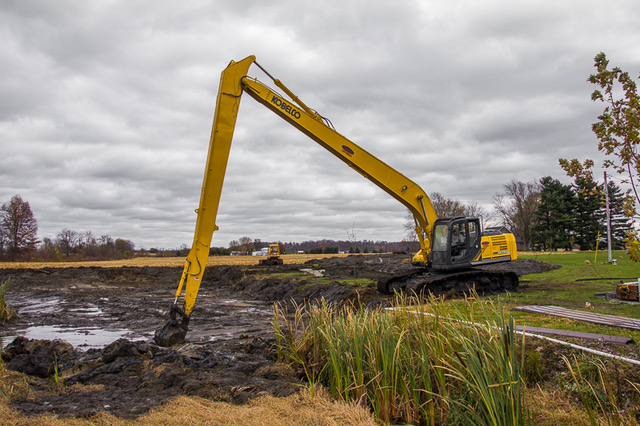
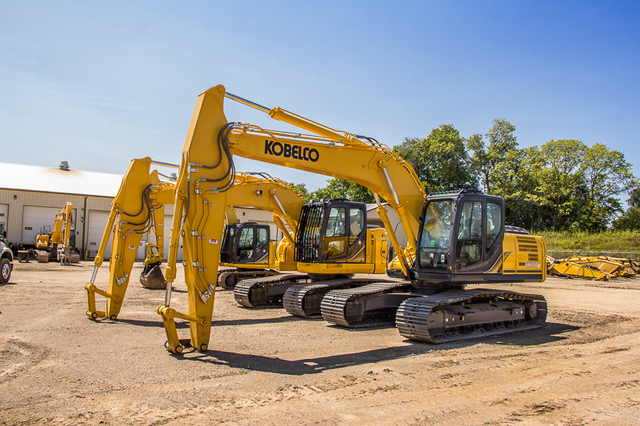
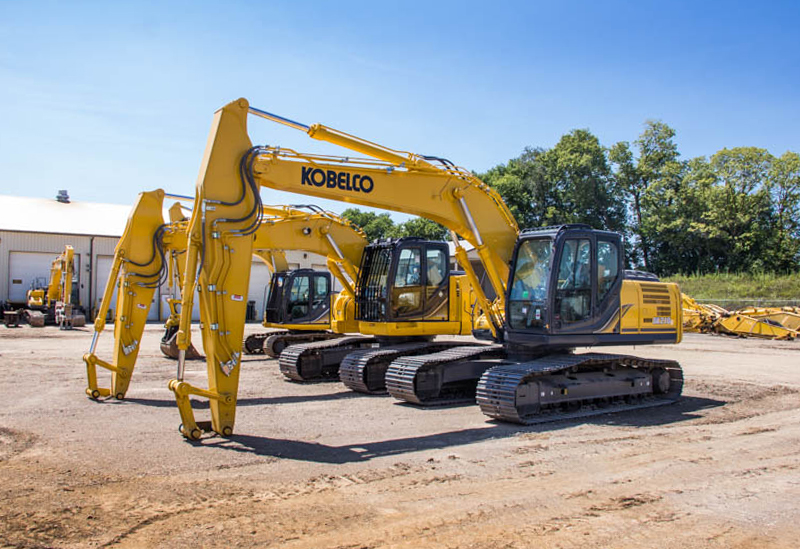
When it comes to heavy machinery for demolition and construction, Kobelco has been leading the pack in innovation since 1930. Throughout their history, Kobelco has pioneered new technology and their reliable excavators are used throughout many industries today. Kobelco was the first company to successfully introduce hybrid technology for excavators. Hybrids reduce fuel consumption by nearly 15% which allows more uptime, and better performance. Kobelco also created iNDr which means a quieter, cooler and cleaner experience. The low noise emission is ideal for urban environments, and the cooler engine improves reliability as well as reduces downtime. Kobelco offers a wide range of excavators. Among them, they offer 2 long reach machines that work well for dredging ponds, as well as lifting heavy loads from long distances. The manufacturing arm of Company Wrench, CW Machine Worx, can help with conversion services to turn your standard Kobelco excavator into a high reach or long reach machine. Another machine that Kobelco offers that is unique is the Kobelco SK210 Auto Dismantler. This machine is designed to take apart vehicles, engines, and other components. This machine increases productivity and allows for the user to dismantle up to 45 more cars vs traditional methods in the same time frame. With a wide variety of machines to choose from, Kobelco is a player in all markets. From homeowners to demolition, farm use to construction, there is a machine for every need. Kobelco machines are the perfect balance of power, efficiency, and design. Many of the Kobelco models are built in the USA in the state-of-the-art Kobelco facility in South Carolina. For more information contact Company Wrench. Read More

MKT Manufacturing Highlights

September 20, 2019
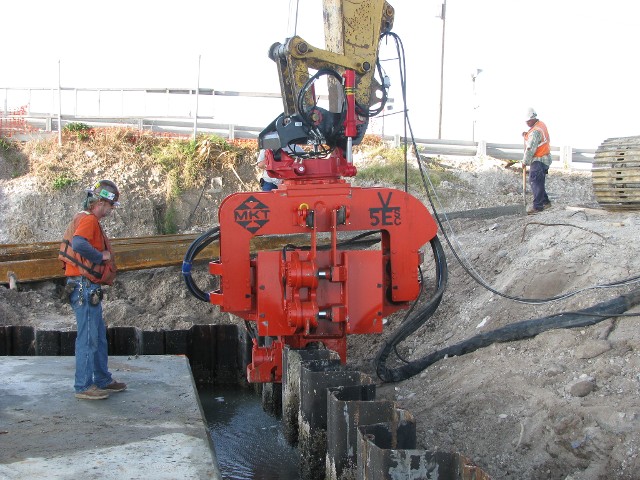
MKT Manufacturing designs and builds quality pile driving equipment in St. Louis, Missouri.    From bridge and building foundations to erosion control and excavation, the MKT line of products has what it takes to get the job done in a variety of industries.  MKT equipment has been instrumental in the construction and repair of pipelines, railroads, docks, piers, ports, and wastewater treatment plants. MKT’s outstanding customer service has earned the trust of its customers since 1892.  MKT prides itself on utilizing customer feedback to invent tools and equipment and solve unique and seemingly impossible technical challenges.  This synergy has resulted in some of the finest machines on the market. Customers of Company Wrench have found the V-5Esc excavator mounted side clamp to be one of the most versatile and reliable units in production. The new V-8Esc, an excavator mounted vibratory system, is now available for sale and rent.  MKT is also in the process of making a V-4Esc, which may be excavator-mounted or crane-hung. In addition, MKT Manufacturing offers their Excavator Lead System (ELS), a machine-mounted lead system that allows the contractor to use multiple tools on the same excavator. The ELS can handle diesel, hydraulic, and air impact hammers, Augers, and Vibratory Hammers. MKT Manufacturing takes pride in the design and quality manufacturing that allows their equipment to last many years with proper maintenance and service. As an authorized dealer, Company Wrench is here to help you purchase or rent the right MKT product for the job.  Contact our knowledgeable team today at 1-866-450-2366. Read More

The Benefits of Converting and Customizing Your Excavator

April 24, 2019
C.W. Machine Worx, the manufacturing arm of Company Wrench, offers custom conversions for your heavy equipment and machinery. From long reach and high reach fronts to specialty counterweights, joystick and cab modifications, and much more, a custom conversion may be just what you need for that specialty project. The question of whether to rent or purchase any type of equipment largely depends on usage.  Deciding whether to rent or purchase a specialized excavator is no different.  If your company only occasionally requires specialty equipment, renting on a case-by-case basis is probably the prudent choice.  Conversely, if your company regularly needs an excavator with considerable vertical or lateral reach, purchasing a custom machine could result in substantial savings over time.  C.W. Machine Worx offers a third option that allows customers to enjoy the best of both worlds.  For example, our stub boom conversions can be utilized with both high reach and long reach fronts. If a company regularly demolishes tall buildings, it may be wise to invest in a custom high reach conversion package (a stub boom and high reach front). This package allows the same company to switch out the high reach front they own for a rented long reach front, when necessary. The ability to use the high and long reach fronts interchangeably is not only convenient but may also save on future rental costs. Purchasing a specialty machine directly from a manufacturer can be very expensive. By converting an existing machine, your company lowers their acquisition cost to allocate their investment over time. It’s also possible the manufacturer cannot provide the exact custom configuration for your existing machine. CW Machine Worx’s engineering team is able to design and build just about any custom conversion imaginable. If design data for a particular machine isn’t available, C.W. Machine Worx can reverse engineer your request and apply it to almost any existing machine.  We have an extensive custom conversion database for Kobelco, Komatsu, Dooson, Terex, CAT, and Hitachi excavators, as well as Fuchs material handlers. The time required to engineer and build a custom conversion is directly related to the scope of the project. Smaller projects can be completed in 3-4 weeks, while larger projects may require 3-4 months. By commissioning a custom conversion from Company Wrench and CW Machine Worx, you get the best of both worlds. Not only do we design and build your custom machine, but we also help you use, maintain, and repair it. When it comes to custom conversions, no one has the experience we have. Call Company Wrench (or C.W. Machine Worx) for your next custom conversion project! Read More

LaBounty—Benefits, Highlights, New Machines

March 12, 2019
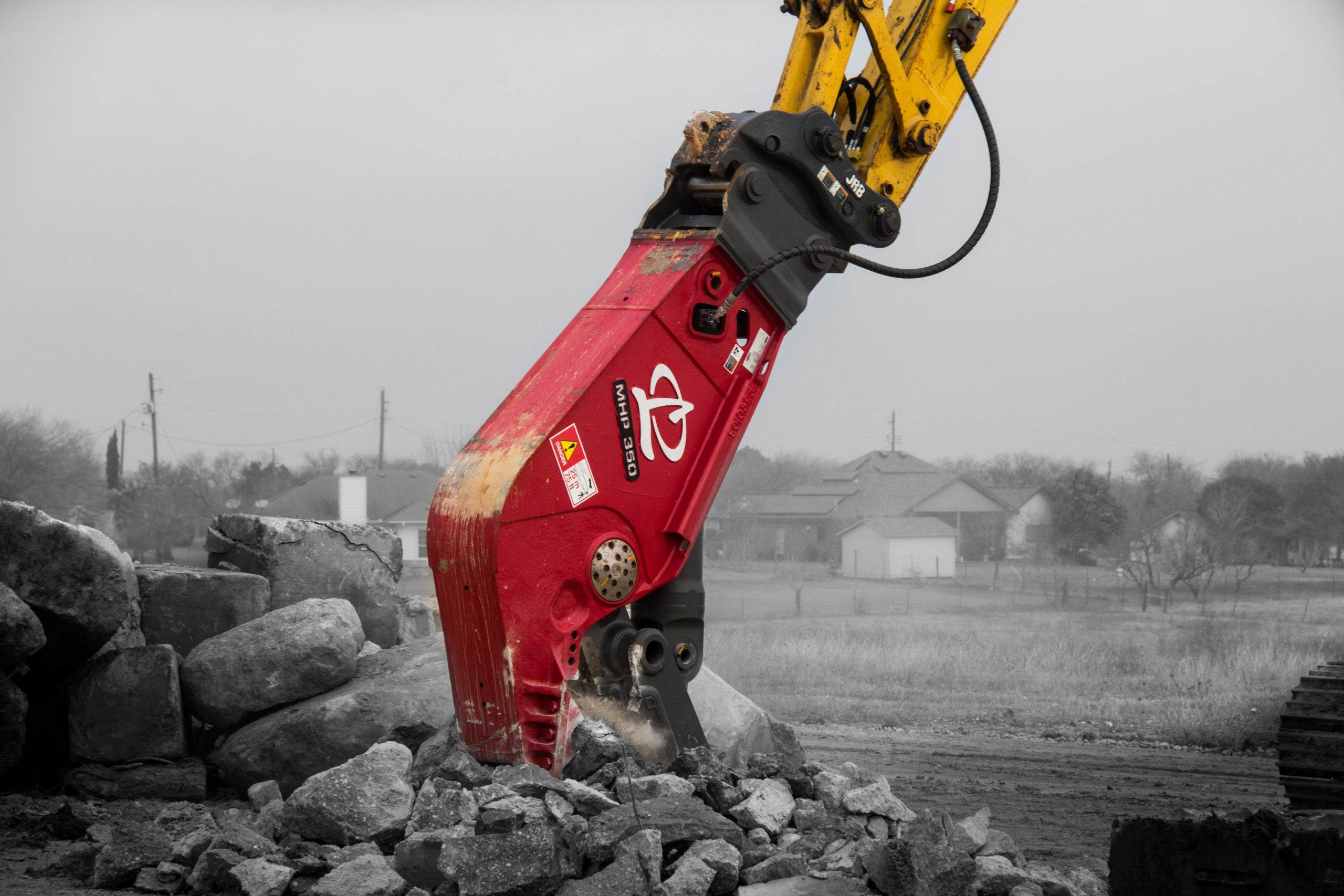
You can’t think about the scrap and demolition industry without thinking LaBounty. LaBounty’s attachments have been cutting steel and crushing rock for over 40 years, and continue to be a leading force in the industry. Made right here in the United States, LaBounty products are known for their durability and efficiency. Back in 1977, LaBounty created the first ever excavator-mounted, mobile hydraulic shear. A mobile shear is an attachment designed to cut steel beams and other structural steel. LaBounty continues to push the envelope on innovation and design, as evidenced in their newest technology, InSite. InSite is a revolutionary technology in mobile hydraulic shears. This technology gives users the opportunity to pull data from the shears and see usage metrics. This can help increase productivity and reduce downtime. Users can also speak in real-time to certified technicians about repairs and maintenance—all through an app on their phone. InSite is now a standard option on most MSD shears. Never settling for the status quo, LaBounty has also recently introduced the Mobile Hydraulic Pulverizer, or “MHP”. The all-new MHP design has been optimized to pick-up, crush, and separate rebar from concrete faster than ever before thanks to high tip-forces, a large jaw, and fast cycle times. Wear bars have been added in heavy wear areas for a longer service life. The new MHP is available now at Company Wrench. Whether you need shears, grapples, pulverizers, MDPs, UPs, or more, LaBounty is top-of-the-line when it comes to demolition and recycling attachments. Company Wrench has been the #1 LaBounty dealer in the US since 2004 and the #1 LaBounty dealer worldwide since 2009. If you want quality, durability, and performance, look no further than LaBounty. Company Wrench proudly sells, rents, and provides services and parts for the complete LaBounty product line at each of its 9 locations. Read More

How to Choose the Right Excavator–Tips from the Pros

December 11, 2018
Excavators are vital to many industries and projects. From general contracting, grading, and pipe laying projects to mass excavation, demolition, and clearing jobs, having the right excavator is key to achieving results. When choosing an excavator for your project, there are many important considerations. First, you need to look at the reach and dig depth. Lift capacity, bucket capacity, floatation, and weight are also important factors to explore. For example, a demolition job requiring mostly above horizontal plane work would need a high reach excavator to complete the job properly. On the other hand, a long reach excavator is best for jobs below the horizontal plane, including grading work requiring an extended reach (i.e. retention ponds, sloping hills, etc.). A miniature excavator is a perfect solution for jobs requiring a reduced footprint, in small spaces between buildings, or any time the weight of the machine may be an issue. Other specialty excavators, such as mass excavators, offer additional power or maneuverability to ensure you have the functions needed to complete your project. The most popular attachments for excavators include buckets, grapples, shears, hammers, and pulverizers. Each of these attachments should be matched to the abilities of the excavator being used. When you’re looking to rent or buy an excavator for your next project, it’s important to inspect the machine and ask the right questions. Assess the general condition of the excavator and make sure to request proper instruction on its usage. Ask about the weight of the machine, the hydraulic requirements, the fuel usage per hour, and the number of hours of operation. If you are purchasing, be sure to inquire about servicing requirements and warranty. While there are many aspects to consider when choosing an excavator, perhaps the most important thing to ask is how much support you will receive from your dealer after renting or purchasing the excavator. Always work with dealers who provide full servicing and support. Read More

Fuchs – Benefits, highlights, new machines

September 18, 2018
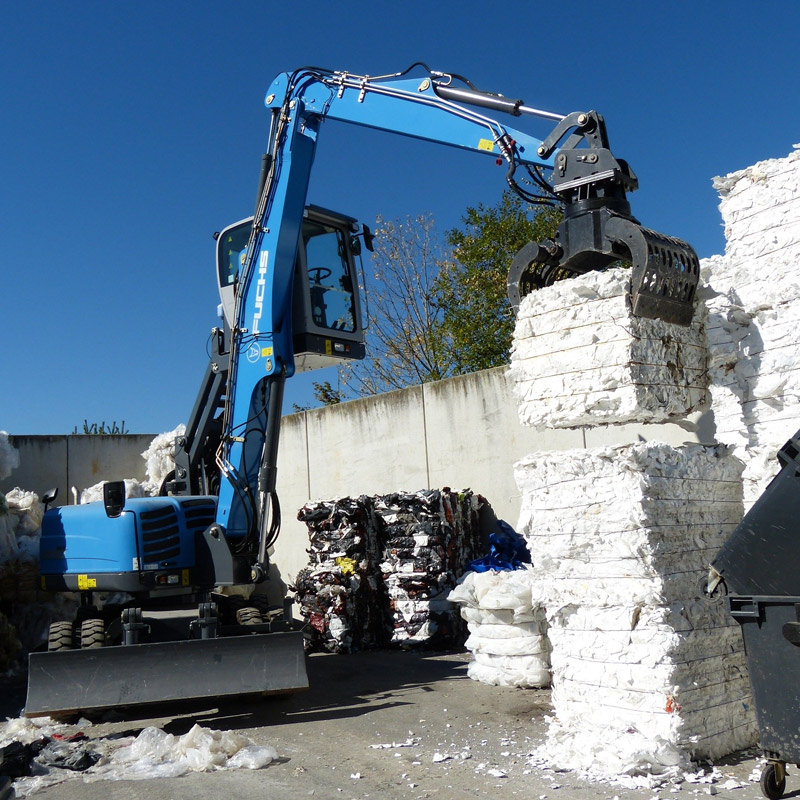
When you’re looking for some of the best construction equipment in the industry, look no further than Fuchs, which has been crafting top-quality machines for over 125 years. They were one of the first companies to build a purpose-built material handler for the scrap and recycling industries and have a reputation for quality and innovation in these industries. While scrap and material handling are two of the largest applications for Fuchs machines, they have also developed new models of specialized machines for the waste, forestry, and other markets. For example, the new MHL250 is designed for smaller areas with site restrictions, including Waste Transfer Stations and Material Recovery Facilities. The new MHL390 can handle the largest jobs for ports and scrap yards with mega shredders. Among their most popular products are the MHL340 and MHL350. These units are large enough to handle most jobs but small enough to be easily transported from site to site as needed. Beyond wheeled handlers, Fuchs offers crawlers, electro machines, and stationary machines. Fuchs knows that the customer is always right, which is why they ask for consumer input to improve existing products and design new machines for the demands of customers’ applications. In addition to standard machine offerings, they perform custom design work on individual customer sites to meet their unique needs. Fuchs builds a quality product and stands behind it with industry-leading warranties, including a 5-year, 10,000-hour structural warranty. Keeping customers’ needs at the forefront of their design is key. Fuchs works with service technicians during the designing of their machines to ensure ease of future servicing. Company Wrench has the largest inventory of Terex Fuchs parts and offers professional servicing of all their machines by certified technicians. Construction, scrap, and material handling are constantly growing and changing industries. Even against tough competition, Fuchs stands out as an innovator and trendsetter, with other companies often imitating – but never duplicating – their quality design, materials, and service. Company Wrench is a proud dealer of Fuchs equipment. We have the ideal Fuchs machine for sale and rent for your next project. If you want uncompromising durability paired with intuitive designs, you should consider which Fuchs machine is right for you.   Read More

Shears, MDP’S, and UP’s

August 30, 2018
For the demolition and scrap industries, shears, multi demolition processors, and universal processors are vitally important pieces of machinery. It’s important to purchase wisely and keep up with regular maintenance so your investment continues working for years to come. The two biggest issues that shears, MDP, and UP machinery face are lack of maintenance and improper usage. These three tools are high maintenance items because of their application; they are made for non-impact work. Each tool is designed to be positioned on the material to be processed and then do the work. Often, users want to pry, twist, and attempt to break the material rather than using the natural force of the tool. Failure to properly use these tools causes an exponential amount of wear and tear on them. This increased wear and tear can result in expensive repair bills. Keep in mind that for every 40 to 80 hours of run time, these attachments will need six to eight hours of maintenance. Failure to keep up on the maintenance severely diminishes the productivity and shortens the life of the tool. At Company Wrench, we go to great lengths to make sure our customers know the “dos and don’ts” when it comes to operating these tools. For shears, torque the bolts twice a day when the jaw is cool; usually in the morning before getting started and then again after a lunch break when the blades have had time to cool down. Grease is an absolute necessity! An old friend used to say, “you’re not going to burn it up with too much grease.” This is a very true statement, especially when it comes to shears. Additionally, check your blade gaps every day to make sure they are within spec. When it is time for a blade flip and jaw maintenance, stop and do it. Don’t try to get a few more days out of it – just get it done. Productivity with these tools is at its best when the shear has fresh blade edges with proper gaps set. For multi demolition processors, torque the bolts in the throat blades just as you would with the shear blades. Always watch the concrete teeth as you are working the tool. Improper use can cause you to lose a tooth while working. If you lose a tooth and keep cutting, it can cause severe damage to the tooth seat as well as the upper jaw. Be mindful of the maintenance rule that for every 40-80 hours of cutting you will need to do 6-8 hours of maintenance on the teeth. Because a universal processor can have a shear jaw set and a concrete processing jaw, the maintenance tips would be a combination of the shear and MDP maintenance tips. It will all depend on what jaw set is in the tool. Typically, if these tools are maintained well, they will have a long life cycle. Damages begin to occur as the tool gets older and maintenance is put off. At some point, the damage will become extensive and the cost to repair it is more than what the tool is worth. When it gets to this point, the best option may be to replace the tool completely. When you’re looking to replace a shear, MDP, or UP attachment, it is important to study the play in the pivot of the jaw, identify any cracks in the parent material or the body of the tool and the upper jaw, and check for hydraulic leaks or scoring on the cylinders. These are all issues that can be very costly to repair. Aside from the physical condition of the tool itself, you should also evaluate the level of support the dealer will be able to provide after the sale. Here are some important questions to ask any dealer when purchasing a new tool: 1. Do they have experience working with equipment used in your industry? 2. Are they able to help train your people to keep your tool as productive as possible? 3. Do they have experienced technicians who can promptly address any service issues? 4. Do they have the necessary parts in stock and readily available? If you purchase tools from Company Wrench, you will discover the answer to each of these questions is a resounding, “Yes.” Company Wrench takes considerable pride in providing unparalleled customer service before and after the sale. Not only will it help you find the right tool for the job, Company Wrench will show your team how to properly use and maintain your tool for years to come. Should the need arise, Company Wrench’s experienced technicians will promptly respond to any service issues in order to eliminate unnecessary downtime. If you need a shear, MDP, or UP, please call Company Wrench today to speak with one of our knowledgeable representatives. Read More

High Reach Excavators – Commonly Asked Questions on Offerings, Operation & Safety

July 25, 2018
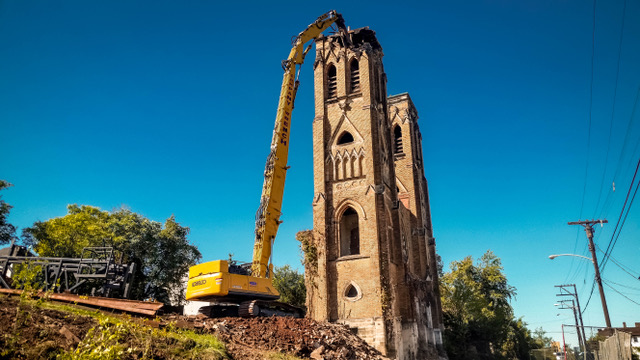
Written By: Michael Bowens, Service Manager, Company Wrench What is a High Reach Excavator? A high reach excavator is a specialized piece of equipment designed to safely and precisely tear down tall buildings and other structures that a traditional excavator cannot safely reach. You might use this machine to demolish multi-story apartment buildings, coal plant boilers, cell towers, water towers, smokestacks, silos, or even a rollercoaster. Built on the body of a standard excavator, these machines have custom boom and arm configurations called “fronts” that might reach anywhere from 50 to 120+ feet. Additional counterweight is necessary to help balance these fronts. At the end of the arm, connected by powerful hydraulics, is a metal or concrete processing shear. When would I need a High Reach Excavator? A high reach excavator is essential for any project where careful, “surgical” demolition of a tall structure is required to safely perform the work. This may be an 8-story NYC apartment building with occupied structures on 3 sides that can’t be structurally compromised for risk of endangering the public. It might be an old smokestack on an active power plant where closely adjacent buildings are operational and can’t be damaged by falling debris. It might be a site where overhead beams or conveyor systems need to be brought down but there isn’t enough room for a tower crane to do the picks. High reach excavators effectively replace outdated and dangerous demolition methods, such as swinging a wrecking ball on a crane. They can also be used in place of controlled explosives to drop a building when this method is not feasible for the building site. And they are a great alternative to sending in laborers with oxy-propane torches to set-cut structural beams, so the building can then be crippled by pulling it down with cables. What features should I look for in a High Reach Excavator? Along with general function and stability, many models offer advanced features for worker comfort and workplace safety. Newer cabs tilt backward at an angle so the operator can comfortably see their work without having to strain their neck and back trying to look upwards. Taller machines are equipped with a camera at the arm tip and a live display screen in the cab for close-up visibility of the work. Some models also have a water line with a mist sprayer at the end to minimize dust emissions as the shear crunches through concrete and other dusty materials. This is particularly important for compliance with current EPA and NESHAPS dust emission regulations on projects. How does a High Reach Excavator work? The powerful shear attachment opens and closes using its hydraulic cylinders, cutting through I-beams or concrete floor decks the way a pair of scissors would. The attachment can also rotate 360 degrees at the end, so you can position the shear’s opening to make vertical, horizontal or angled cuts as needed. Working from the top down, the operator nibbles away at the building. Once the higher elevations of the building have been razed, the remaining demolition is often handled by traditional excavators that can maneuver faster and carry bigger shears and other attachments. Who is qualified to use a High Reach Excavator? A person running a high reach excavator should be a well-trained and highly experienced heavy equipment operator. Ideally, the worker has previously run excavators with hydraulic demolition attachments, such as shears, concrete processing heads, and hydraulic hammers. Experience in high-profile demolition projects or running cranes can also be valuable. Operators will need adequate OSHA or other safety training and be able to identify potential hazards, such as falling debris or structural failure. As this is a specialized skill set, using complicated and expensive equipment, the operator should be mature, responsible and have a strong attention to the safety of themselves and those working around them. What are the safety concerns of High Reach Excavators? These machines rarely have stabilizing outriggers and tend to be top heavy when extended due to the oversized boom and arm and the weight of the shear. Much like a crane, it should be sitting on level and firm ground to avoid tipping. Never place a high reach excavator in soft sand, deep mud, or on an inclined or sloping hill. The machine should be carefully crawled and positioned in a location where building demolition access is possible without risking impact of falling debris. A delineated “drop zone” should be established and ground personnel should stay out of this area. Every worker on site should be trained in hazard communication and know the blind spots the operator has while inside the cab. High reach excavators are excellent solutions for tall structures that can’t be demolished with other methods due to site or safety concerns. With plenty of options and features to choose from, Company Wrench can assist you in finding the right excavator and attachment today. Read More

Beat the Heat – Caring for Machinery Equipment During the Summer

June 19, 2018
Written By: Michael Bowens, Service Manager, Company Wrench Summer is upon us and with the temperatures climbing higher every day, you need to think about the heat. Machines perform best in the summer, but that doesn’t mean they are designed for blazing hot temperatures. Even simple items, such as the grease used to lubricate the pins of a machine, have an operating range, and the best performance of a machine will be right in the middle of that range. You’ve invested a lot in your machinery and expect peak performance.  Unfortunately, heat and sun damage may harm it more than you know. When machinery breaks down, it is costly to repair and can delay projects from finishing on time. Understanding what happens to machines in the heat is vital to protecting them from damage. Heat can do a lot to construction equipment. Cooling systems have their limits and once that limit is passed, the machine goes down. High temperatures cause hoses and O-rings to become brittle and crack. Cracks become leaks and leaks become downtime for owners. Heat also causes dry, dusty environments. Dust will clog air filters and limit the performance of the machine. UV rays cause metal to become extremely hot. When you are running hot oil through hot metal you get one result: hotter oil! Hot oil that gets too thin causes pump flow problems and wears down machines faster. Diesel exhaust fluid (“DEF”) used for newer Tier 4 final machines should be kept out of direct sunlight as much as possible. Poor quality DEF codes are becoming more common every summer. Cosmetically speaking, sunlight starts to deteriorate the machine’s paint the day it rolls off the assembly line. After a year in the environment, you can compare it to a new machine and already see fading and discoloration. If your machine is subjected to high temperatures and direct sunlight, these are issues you and your workers need to monitor. To reduce chances of sun and heat damage, there are easy precautionary steps you can take: 1)    Filters – Make sure they are changed often. 2)    Dust – Run the machine with the cab sealed; dust is a killer on the A/C system. 3)    Fluids – Make sure to only use manufacturer recommended fluids. 4)    Inspections – Inspect coolers and vents for proper air flow; a restricted cooler will not keep up with hotter temperatures. 5)    Preventative Maintenance – Follow the recommended service procedures in your service manual. Performing a full service, not just an oil change, can help find a leaking radiator hose or loose fan belt before they become major problems. I have been in this industry for 18 years and witnessed many cases of equipment breakdown. Summer sun can take a toll on your equipment. Just as you protect your workers from the sun and heat, protect your equipment, too. Your investment will last for years to come and your projects won’t be sidelined by broken machinery. Company Wrench rents to a diverse set of customers across the U.S.  Some customers might be in the Florida sun, while others will be playing in the snow in Minnesota. With machines able to adapt to both hot and cold climates, we have no problem sending the same machine to either! Read More

Should I Rent or Buy Heavy Machinery?

March 28, 2018
Business decisions are never made easily, especially when they involve transactions such as purchasing expensive equipment. Whether you choose to rent or own, large machinery comes with a larger price tag. You know you want to keep costs low in order to turn the greatest profit, but it’s hard to determine which route will be the most profitable. If you’re debating on whether to rent or buy equipment, these tips might help you make the decision that best suits your needs. Project Scope When you’re trying to decide between renting and owning, it’s a good idea to get an understanding of the scope of your work. If your business’ clients typically aren’t local, it may be a better idea to rent your equipment in market rather than buy to avoid the costs associated with transporting large equipment. On the other hand, if your business predominantly handles local projects, it may be more worthwhile for you to invest in building your own fleet. Having your own equipment might be more convenient if the distances between project locations is short, but could quickly become a large cost if you’re frequently having to cross state lines. Maintenance Costs Owning your own equipment means you’re entirely responsible for its upkeep. While this means you don’t report to anyone or have to worry about getting machinery in time to complete project deadlines, it does mean that your wallet takes the hit when things go wrong. If an expensive part of your machine breaks, owning your machine means that it’s up to you, not the rental company, to replace the part. With some parts costing as much as $15,000 it’s important to plan for these kinds of expenses if you decide to purchase. Renting equipment doesn’t mean that you’re completely off the hook maintenance-wise. While the rental company is responsible for maintenance and making sure the machine runs smoothly, the renter is required to perform daily maintenance tasks. Another perk is that the rental company also replaces broken parts that may have failed at no fault of the renter. Competition from Other Companies In terms of project competition, not having the necessary equipment readily available can result in business lost to companies that do. While rental companies have large quantities of machinery available for rental, their stock is not infinite. Some machines have waitlists that stretch out several months, and since rentals roll over, other businesses can choose to keep the machine for longer if they’d like. While you shouldn’t face any issues typically when trying to rent equipment, you never know what will be available when you need it. Owning a fleet comes with its own competition issues as well. You may not own all of the machinery needed to complete a project, which may result in needing rentals to compensate for the equipment your personal fleet lacks. Rental Purchase Option If you really can’t decide what’s best for your business, the Rental Purchase Option (RPO) might be beneficial to you. Choosing an RPO means that while you’re renting the equipment, a portion of your fees are being put towards purchasing the machine. This gives clients the luxury of renting the equipment while allowing some extra time to decide if owning is the right decision. Being able to put your rental fees towards purchasing the equipment also means that you won’t be spending extra money on rentals on top of your purchase. If you’re renting for so long that you’re already a quarter of the way vested towards a machine, you might as well put that money towards owning it. Deciding whether to rent or own can be difficult, especially because there is no standard decision that fits every company. The scope, size, and budget of the company, among other factors, can help indicate whether renting or owning is a smarter business decision. The only “correct” decision as to whether to rent or own your equipment is the one that best suits your business. No matter what you choose, Company Wrench is always there to support and serve you. Our goal is to help you reach your goals–not simply sell or rent you a piece of equipment. We want to see you succeed, so we’ll help evaluate your needs and make the right choice for you. Give us a call today at (740) 654 – 5304 for all your machinery needs. Read More

Why buy JCB – New machines, new technology

May 9, 2018
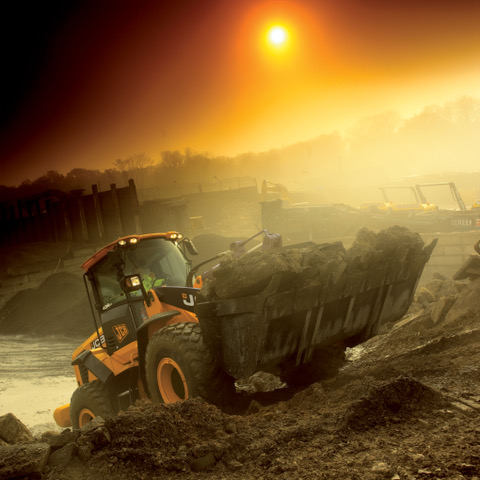
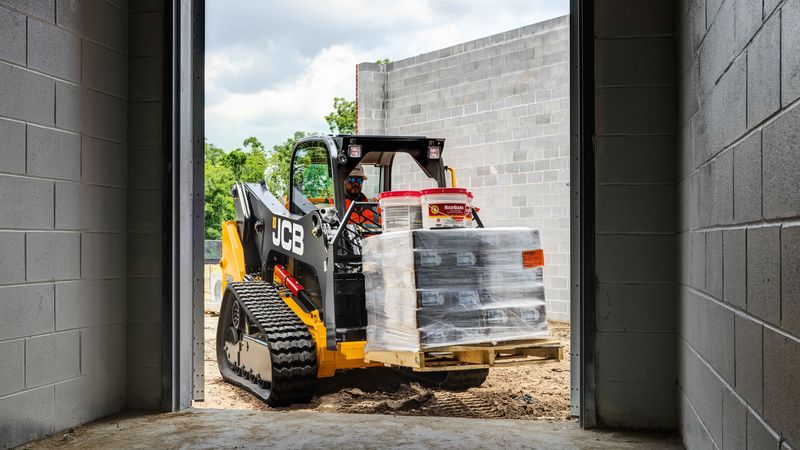
Investing in a machine means investing in the company behind it. Construction equipment comes with a large price tag, so it’s important to invest in a company that you know you can trust for the lifetime of your machine. The best machines come from companies that invest not only in their products, but also in the well-being of their customers. JCB is this type of company. From pushing the boundaries of innovation, to focusing on the sustainability of their machines, JCB is a family-owned company that cares about its customers. Buying JCB machines means you’re investing in a cutting-edge, sustainable machine from a company trusted around the world. Whether you’re a general contractor, an independent owner-operated company, or anything in between, JCB is sure to have a machine that suits your needs. Midwest JCB Project Manager Clay Durham of Company Wrench believes that customers love JCB machines “due to their ease of maintenance” and straightforward operation. Aside from being one of the top three manufacturers of construction machinery worldwide, the company has many other features that make it such a great company in which to invest your trust. From JCB’s beginning more than seventy years ago, the company has invested heavily in research and development, assuring buyers they are purchasing the most innovative construction machines available. Some of JCB’s newest machines include the 3CX-Compact backhoe, the 3TS-8T and 3TS-8W tele skids, and the 210 and 215 small platform skid steers. Durham says the new compact backhoe is 35% smaller than its full-size “big brother,” making it the perfect machine for narrow alleyways, small public streets, and cemeteries. The two newest tele skids come equipped with telescopic booms that allow hinge pin height to extend nearly three feet extra. This extra height allows for easier dumping into the middle of higher sided dump trucks and stacking of material in harder to reach areas. Finally, the small platform skid steers are replacing older models to allow for more lift capacity and power. Typical of all JCB machines, these new additions do not require a diesel particulate filter. Durham explains this feature keeps the cost of ownership low and removes the burden of maintaining the diesel particulate filter since the machine will not have to regent. For most machines, each of the daily check points is located underneath the hood and is accessible from ground level–giving owners flexibility and control and making maintenance more ergonomic. All JCB machines also offer great visibility out of the cabs, creating safer work environment for everyone in and around the construction site. Purchasing machinery can be daunting, but it helps to know your machine was created by a top of the line company with one of the highest standards of excellence in the world. When you buy JCB, you are not only investing in a quality product, but also in the company behind it. If you’re looking for sustainable, innovative, and quality machines buying from JCB is always a rock-solid choice. Read More

How to get your machines ready for Spring Thaw

February 11, 2018
When the weather drops below freezing and harsh winter storms are in the forecast it’s time to put your machines into storage. The snow, ice, and freezing temperatures can all cause severe damage to your equipment when stored incorrectly. Damages can include frozen fuel, frozen coolant, drained batteries, hardened seals, and decreased diesel exhaust fluid (DEF) quality. All of these problems can add up to more than just a quick fix. From excavators to track loaders, the only way to steer clear of damaged equipment is to take proper care of it during the winter season. Machines with an open-cab are the most at risk because of their exposed interiors. Damage to the motor, ignition, and control panels can mean costly repairs that delay getting back to work. Proper storage is the easiest way to minimize the likelihood of needed repairs when you go to start your machines in the spring. When possible, store machines indoors to keep them dry and safe. If indoor storage isn’t possible, investing in tarps to cover your machines will help keep repair costs to a minimum come spring. The first step to proper winter storage is making sure that you have a clean machine. Giving the equipment a thorough wash will help prevent dirt, mud, and salt from causing corrosion to the machine. Retracting the machine’s cylinder rods or covering them with a protective grease layer will help minimize scratches and rusting during its idle time. Along with this, greasing all the grease points will help ensure that your pins and bushes remain clear of rust. Frozen fuel tanks and dead batteries are horrible ways to start off the spring season, so it’s important to take preventative measures before storing the machine. Filling up your fuel tank all the way to the top with fuel treatment and letting it run for about fifteen minutes is an easy way to make sure that fuel doesn’t gel during the cold winter months. Also, consider draining your fuel tank and fuel water separator to prevent freezing. Before storing, disconnect your battery so that it doesn’t drain throughout the winter months; nothing is worse than not being able to use the machine even after following every other storage strategies. Even if the proper storage techniques are followed, it’s still possible the machine will require special care at the beginning of the season.  In fact, taking special care at the beginning of the season is just as important as properly storing the machine at the end of the season. The first step to getting the machine ready for use is checking oil levels before starting the machine and pulling the plugs on the swing motors to remove any sediment or water that may have collected. DEF quality has a tendency to deteriorate over time, so it won’t hurt to give that a quick check before you start using the machine. The spring thaw is also a good time to take care of any preventative measure services. Think of it as a little spring cleaning for your equipment; spending a little money upfront will save you from paying for costly repairs in the future. A thorough inspection alone can take up to six hours, and depending on the types of services your machines need and the severity of any problems you might have, services can take anywhere from a couple hours to a few days. It’s important to start this process early so that you can get back to work in a timely manner. The spring season will be here soon, which means that warmer weather is coming and machines are almost ready to get started up again. Winter weather can be brutal, so proper storage and start-up of your machines is essential for keeping them in tip-top shape. Do you have a question about winterization techniques or need help with a repair caused by winter weather?  If so, please contact our service department or our parts department at Company Wrench today. Read More

Top